
Surface notes
Use these practical notes to prepare the details that make the next conversation useful.
Match the surface to the medium
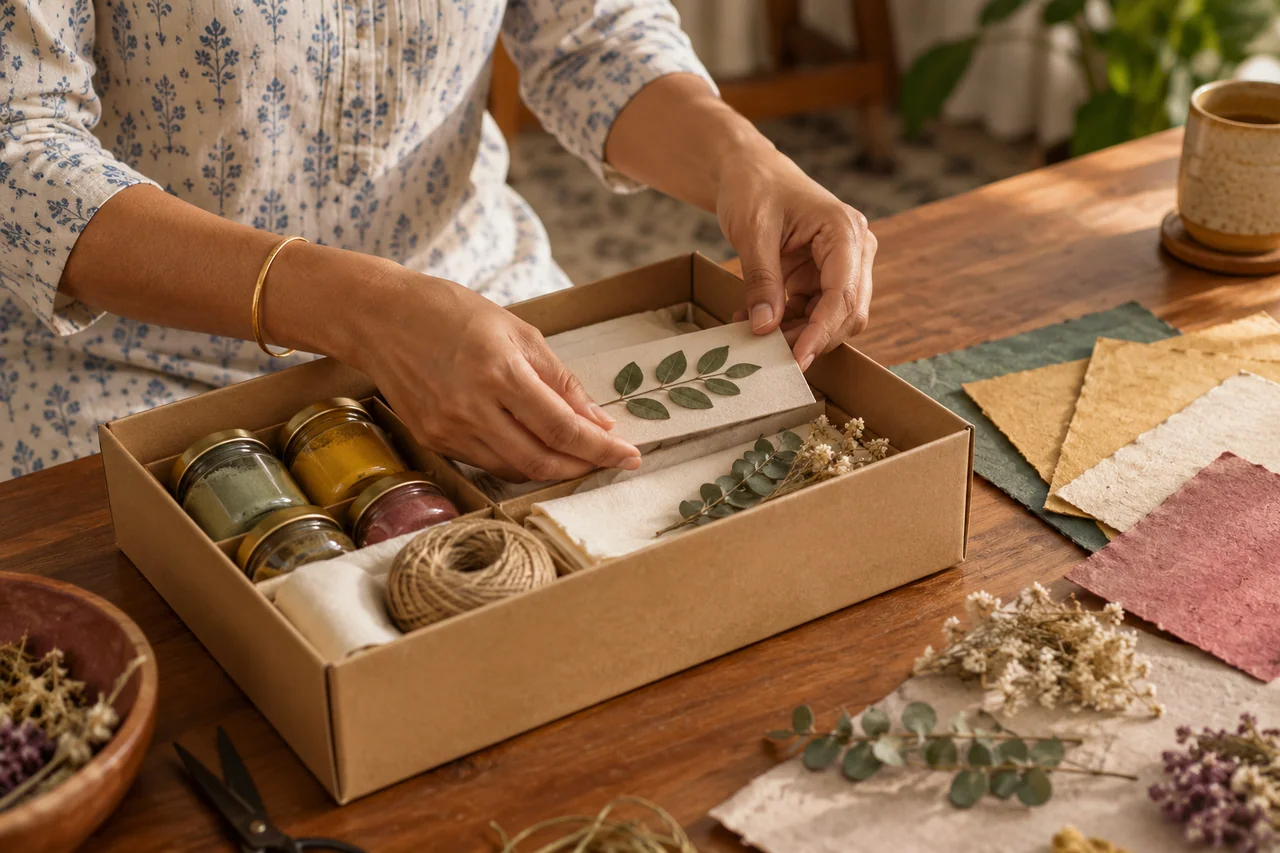
Check whether the paper or canvas preparation is suitable for the intended paint. Absorbency, texture and the amount of water used can change the result. Test a small area where appropriate and follow the material's instructions.
Keep the preparation step visible in your notes. A primed and an untreated surface can behave differently even when the paint and brush remain the same.
Choose brushes by the mark
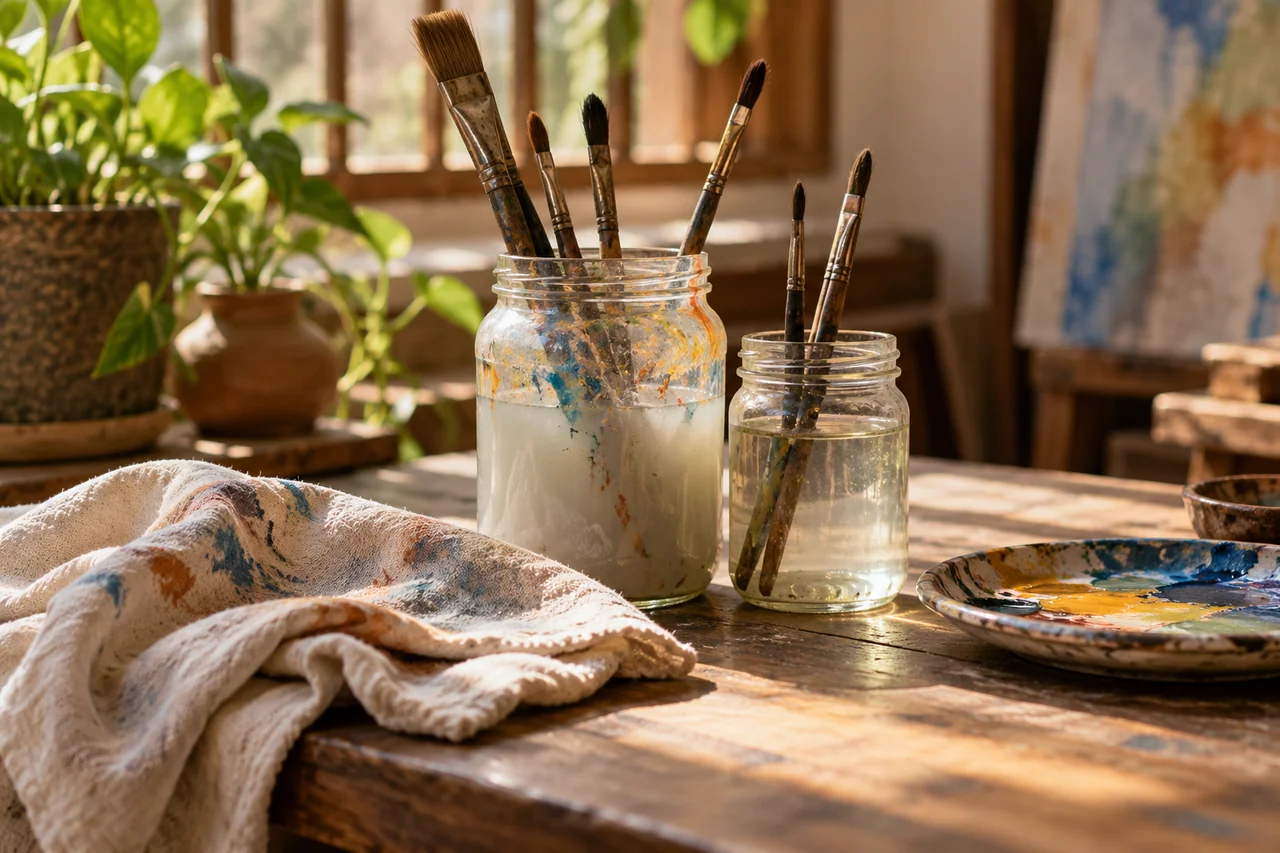
Think about broad coverage, edges, small details and controlled lines. One brush may perform several tasks, while a specialised shape needs a clear purpose. Rinse or clean it according to the medium and avoid leaving a loaded brush to dry.
Try a few controlled marks before beginning the main work. Notice whether the brush releases the medium as expected and whether its edge suits the task.
Keep the workspace considered
Prepare the working surface, water or approved cleaning materials and a place for drying. Protect nearby belongings and keep art materials separate from food. For children, choose age-appropriate materials and use adult supervision.
Keep original safety information with the materials, especially where different people share a workspace. Age suitability and supervision come from the actual product guidance.
Label your own studies
Record the medium, surface and colour mixture beside a practice study. A simple material record helps explain why a result changed between sessions. Keep the original packaging or product information for instructions and relevant safety details.
A record can be brief: the material, the surface and one observation. That is often more useful than an attractive test sheet with no context.
Start with your material question
Tell Rangavelo what you plan to make, the surface you are using and the materials already on your table.